In Kanpur, a quick outing is rarely quick, a chai break is never just a chai break, and the question “Kuch khaane chalein?” has the power to bring people together faster than any group chat ever could. It's a city where food isn't merely something you eat; it's something you plan your evenings around, bond over, and occasionally argue about with the conviction of someone defending their thesis.
And honestly, that's part of the charm.
If Kanpur had a personality trait, it would probably be extra. Extra spice, extra chutney, extra crunch, and absolutely no patience for a plate of chaat (opens in new tab) that doesn't deliver. From crispy aloo tikkis and tangy golgappas to papdi chaat generously dressed in yoghurt and chutneys, the city's street-food culture understands something that the rest of us are still figuring out: sometimes, happiness is a little messy.
There's an unspoken ritual to it all. Someone suggests getting chaat, another person claims to know a better place, and suddenly you're on a mission to settle a debate that nobody knew existed five minutes ago. Recommendations are exchanged like classified information, favourite stalls are defended fiercely, and everyone has an opinion about where the best plate can be found.
The best part? You don't need a special occasion. A bad day, a good result, a cancelled plan, or simply being hungry at an inconvenient hour are all perfectly acceptable reasons to go looking for something delicious. In Kanpur, chaat doesn't need an invitation. It just needs an appetite.
Some conversations require a quiet room, a comfortable couch, and perhaps a licensed professional. Others require a small glass of chai and a friend who has absolutely no business giving life advice but will do so anyway.

Kanpur Shivalay - Raina on Pinterest (opens in new tab)
Chai has a special place in the rhythm of Kanpur. It accompanies early mornings, late evenings, college breaks, roadside conversations, and those wonderfully unproductive afternoons when nobody has anywhere particularly important to be. A quick tea break can turn into a discussion about career choices, relationship problems, college drama, and why absolutely everything seems to be going wrong at once. Solutions may or may not emerge, but the tea gets finished, the gossip gets exchanged, and somehow, the problem feels slightly less catastrophic.
There's also something wonderfully democratic about chai. You don't need a reservation, a dress code, or a particularly impressive bank balance. You just need a little time and, preferably, someone willing to listen to your latest crisis.
Coffee might get the aesthetic Instagram posts, but chai has heard things that would bring an entire season of a television drama to a standstill. And it never interrupts.
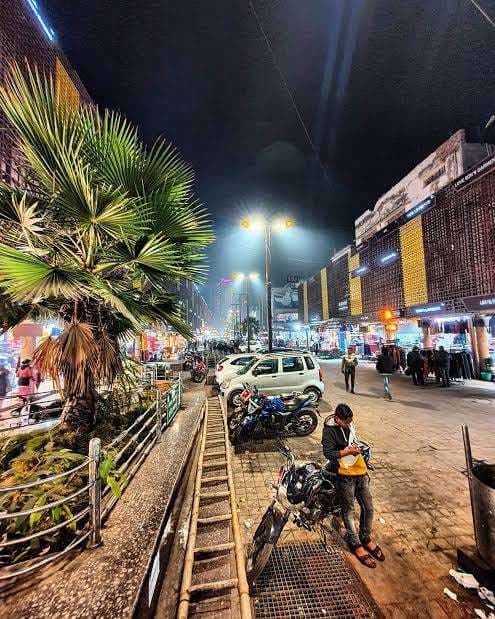
Every city has its own rhythm. Kanpur's seems to involve making a plan, abandoning it halfway through, and accidentally having a better time than originally intended. You might leave home intending to grab a quick snack and return within the hour. Then someone suggests another stop. Someone else remembers a shop they wanted to visit. The traffic has other ideas. And before you know it, your supposedly brief outing has become an entire evening.
The city has a talent for making ordinary things feel like events. A trip to the market becomes an expedition. Meeting a friend for tea becomes a three-hour conversation. A spontaneous food run becomes the highlight of a week that was otherwise spent staring at deadlines and wondering whether adulthood was really supposed to be this confusing. Of course, the chaos isn't always charming. Traffic can test your patience, the weather can ruin your plans, and navigating a crowded street when you're already running late is its own special form of character development.
But there's a certain affection in the way people adapt. Plans change, people improvise, and life carries on, preferably with a snack somewhere along the way. It's easy to talk about a city's food as a collection of flavours and famous dishes. But the real story often lies in everything happening around them. It's in the friends who split a plate because nobody wants to spend too much. It's in the family that has been visiting the same local shop for years. It's in the shopkeeper who recognises a regular customer and starts preparing their usual order without being asked. It's in the conversations between strangers standing beside a street-food stall, united for a few minutes by the universal desire for something tasty.
These little rituals give a city its character. They turn familiar streets into places that feel like home and ordinary meals into memories that stay with us long after we've forgotten what we were talking about.
For students, especially, these moments can mean more than they appear to. When college gets overwhelming, deadlines pile up, and the future feels like one enormous unanswered question, having a familiar place to eat and people to share it with can make the day feel manageable again.
Sometimes, you don't need a grand adventure. You just need to step outside, find something good to eat, and remember that life exists beyond your to-do list.
Kanpur may not always be the first city that comes to mind when people talk about India's most exciting destinations. It may not have the polished reputation of a tourist hotspot or the carefully curated image of a city designed for travel magazines.
But cities aren't made memorable by appearances alone.
They're made memorable by their people, their habits, their food, and the small, everyday moments that become part of who we are. They're made memorable by the places where friendships grow, where families gather, where strangers become regulars, and where an ordinary Tuesday can turn into a story worth retelling. And Kanpur has plenty of that.
Perhaps its charm lies in the fact that it doesn't ask you to have everything figured out. You can arrive with a terrible day behind you, a dozen things left to do, and absolutely no idea what tomorrow holds. You can find a plate of chaat, order a cup of chai, and spend an hour talking about nothing and everything. The world will still be complicated when you leave. Your deadlines will still exist. Your problems probably won't magically disappear.
But for a little while, life will taste better. And maybe that's the secret to a city that runs on chaat, chai, and chaos: it doesn't promise to make life perfect. It simply gives you a thousand little reasons to enjoy it anyway.
Written by Hasika Kallu