The shoes you wear, the leather bag you carry, or the industrial equipment that keeps a factory running might have a connection to a city you rarely think about: Kanpur. Known for its industrial legacy, Kanpur has spent decades building a reputation as one of India's important manufacturing centres. Yet, behind the products that travel far beyond its borders lies a story of skilled workers, generations of craftsmanship, and an industry that continues to shape the city's identity.
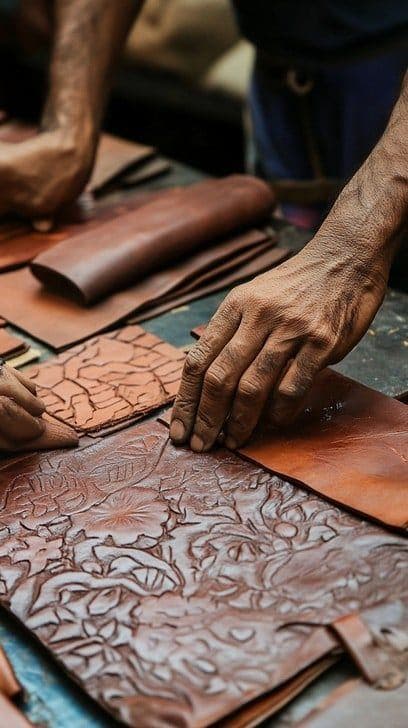
Ask someone what Kanpur is famous for, and leather is likely to be one of the first answers. Often called India's Leather City, Kanpur has a long-standing leather industry that produces footwear, bags, saddlery, and other leather goods. These products supply domestic markets and contribute to India's exports, connecting local manufacturers with customers across the world.
But leather is only one part of the picture. Kanpur also has an industrial presence in textiles, chemicals, engineering goods, and other manufactured products. Its industrial development has been shaped by its history, workforce, and position as a commercial centre in Uttar Pradesh. The city is not simply a place where products are made. It is where raw materials, technical knowledge, and human effort come together to create goods that find their way into everyday life.
Behind every manufactured product is a process that rarely receives the attention it deserves. A finished leather shoe, for instance, represents much more than its appearance on a store shelf. It involves sourcing materials, processing leather, cutting patterns, stitching components, and checking quality before the product reaches a customer. Each stage requires a combination of skill, experience, and coordination. For many workers and small businesses, these skills have been developed over years, sometimes passed down through generations.
This is what makes Kanpur's manufacturing story particularly interesting. While consumers often associate products with the brands printed on them, the people responsible for producing them can remain invisible. The worker who stitches a shoe or the craftsperson who finishes a leather bag may be far removed from the customer who eventually purchases it. Recognising these contributions gives us a different perspective on the objects we use every day.
However, Kanpur's industrial identity also comes with challenges. Manufacturing businesses face changing consumer expectations, competition from other production centres, rising operational costs, and the pressure to adopt newer technologies. The leather industry, in particular, must address environmental concerns associated with tanning and wastewater management. For local manufacturers, the challenge is to remain competitive without overlooking worker welfare or environmental responsibility. Better production methods, improved waste treatment, investment in technology, and access to wider markets can all play a role in shaping the industry's future.
In a world where products are increasingly recognised by their brands rather than their origins, it is easy to overlook the cities that help bring them to life. Kanpur deserves to be part of that conversation. The next time you pick up a leather wallet, lace up a pair of shoes, or come across a manufactured product, consider the journey behind it. Somewhere along that journey are workers, businesses, and communities whose efforts have helped turn raw materials into something useful.
Kanpur's story is ultimately about more than factories and finished goods. It is about the people who make them, the skills that sustain them, and a city whose contribution often travels much farther than its name. Sometimes, the most interesting thing about a product isn't the label on it. It's the story of where it was made.
Written by Lakshmi Gayathri